
Original price was: $24.99.$17.49Current price is: $17.49.
- The best quality products, always.
- Quality You Can Count On
- Peace of Mind with Every Purchase
- Uncompromising quality, every time.

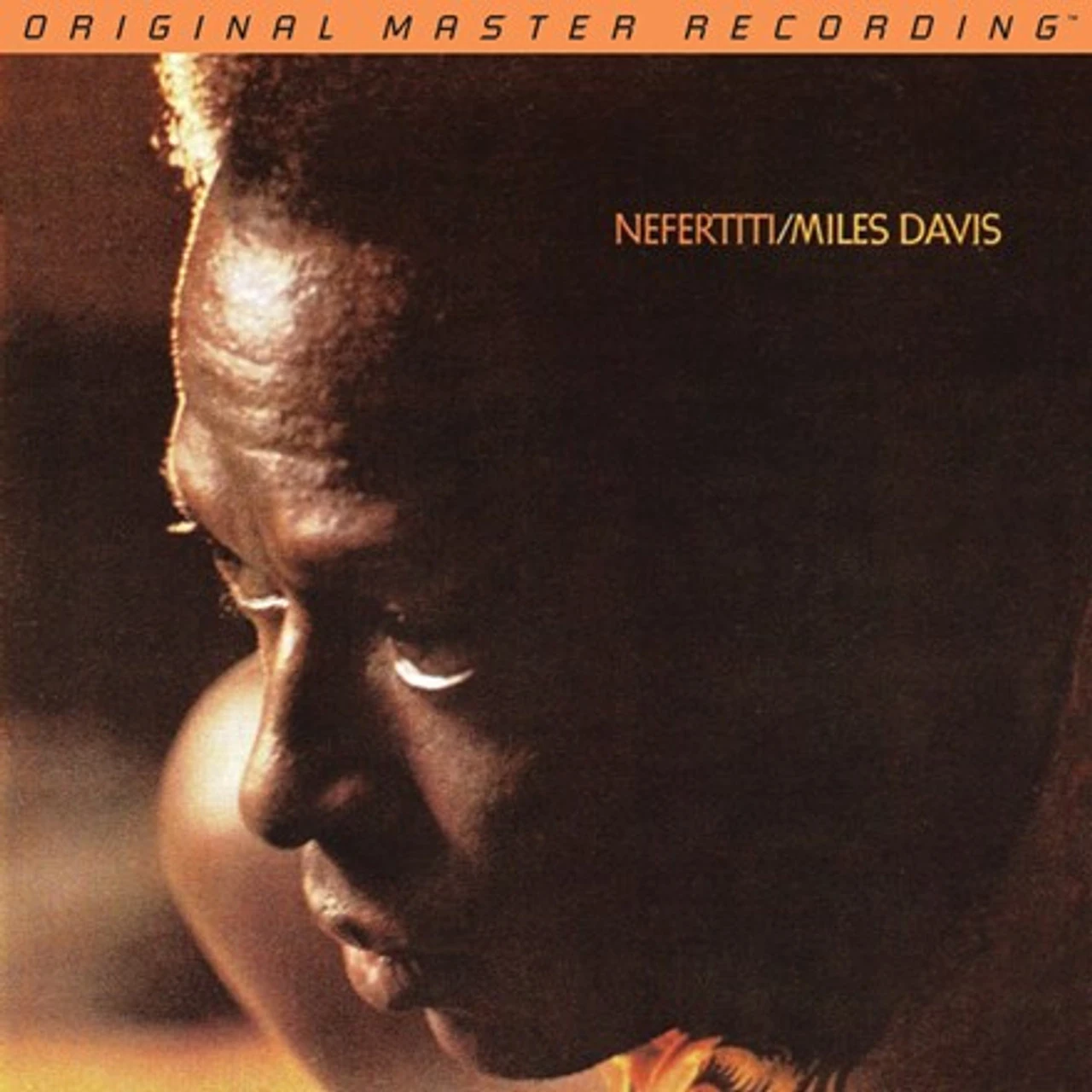
The Final All-Acoustic Album from Miles Davis’ Second Great Quintet: Nefertiti Steeped in Inquisitive Interplay and Subconscious Impressionism
Mastered from the Original Master Tapes: Mobile Fidelity’s Numbered-Edition Hybrid SACD Bring the Record’s Tonal Shadings, Gradations, and Textures Alive
Nefertiti will always be known as the final all-acoustic record made by Miles Davis’ Second Great Quintet. A thematic bookend to the preceding Sorcerer, the 1967 set shares much in common with its equally nuanced predecessor yet deviates by way of its focus on rhythm and exploratory soundscapes.
Mastered from the original master tapes, Mobile Fidelity’s numbered-edition hybrid SACD blooms with colorful bouquets of shadings, gradations, and overtones. Afforded supreme dynamics and full-range extension, melodies resonate with a moody character and ambience normally only heard in small jazz clubs. Instrumental pitch, too, is spot-on, a measuring stick for how all acoustic-based passages should be experienced.
As he does on Sorcerer, Davis cedes all compositional duties to his all-star band mates and focuses on his trumpet. Familiar albeit slightly dissonant, rooted in hard bop yet signaling the onset of fusion, the songs are grounded in inquisitive interplay and subconscious impressionism. Nefertiti reveals fresh devices and new directions every time you visit its cerebral worlds. And while each musician is given ample room to solo, the effort stands as an example of groupthink in that no individual stands out or shows off. The groundbreaking title track—during which the horn section recurrently repeats the melody as drummer Tony Williams and bassist Ron Carter improvise, thus inverting the conventional sense of a rhythm section—shines as a textbook example of such chemistry and unity.
Throughout, the players’ confidence, and Davis’ trust in them, stamps every piece with rare self-assurance and authoritativeness. Williams and Carter bring rhythms to the forefront as the horns hypnotize and Herbie Hancock’s piano points in several different directions like a compass gone crazy. Responsible for “Madness” and “Riot,” Hancock contributes brief bursts of speed and slight aggression. But on a record on which complexity and introspection take precedent over blowing hot, the aural steam ultimately becomes opportunity for burrowing into unpredictable turns and deep grooves.
The thrilling sense of interplay and inclination of the ensemble to keep searching, moving forward in a concerted manner to uncover then-unheard jazz discoveries marks Nefertiti as one of Davis’ quintessential efforts. For historians, it’s the signpost to the pioneering fusion the leader would begin to pursue with greater commitment on the record’s follow-up, Miles in the Sky. For the rest of us, the album is music and music-making at its most intriguing.
Be the first to review “Miles Davis – Nefertiti (Numbered Hybrid SACD)”
Related products


Digital Music
Digital Music

Digital Music

Digital Music

Digital Music
Digital Music
Reviews
There are no reviews yet.